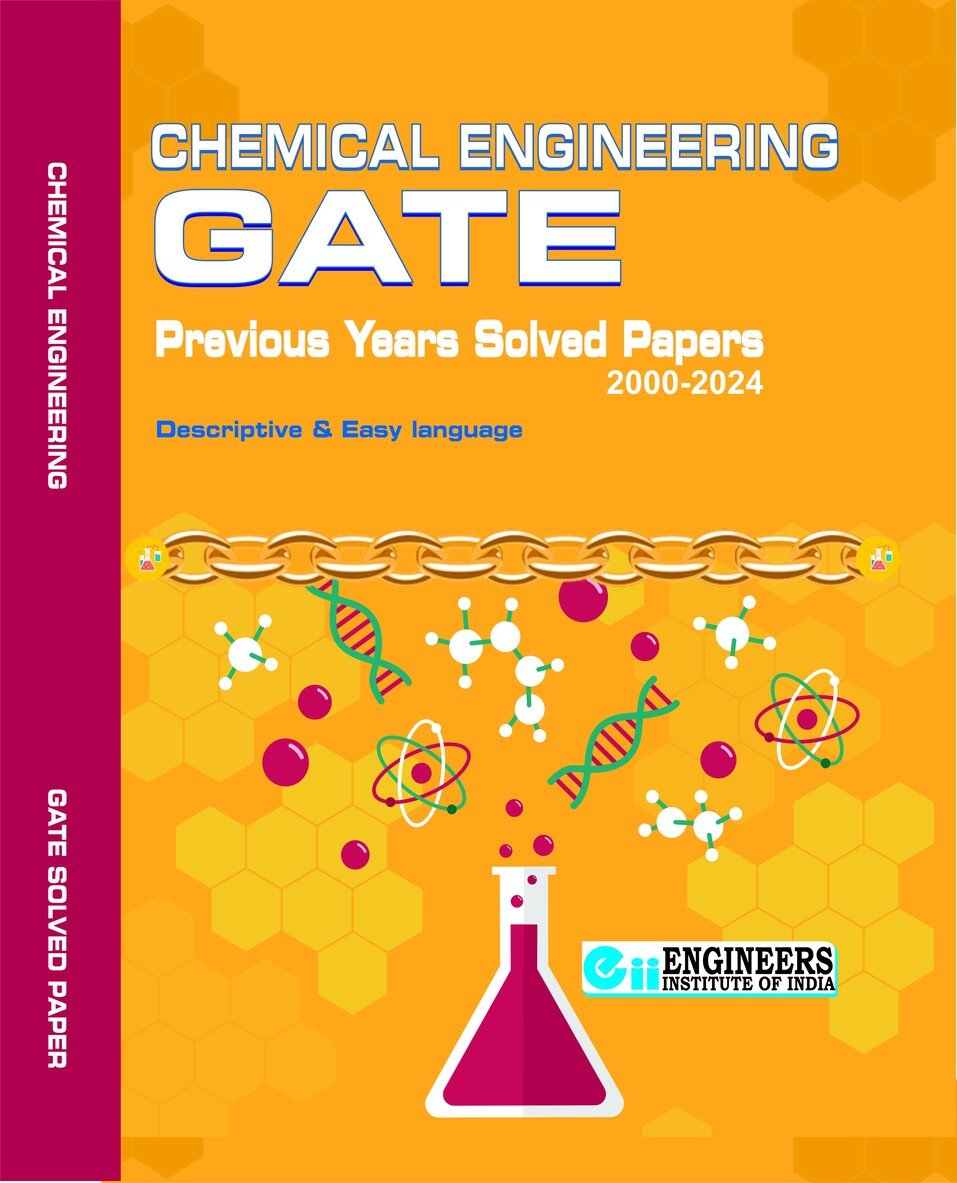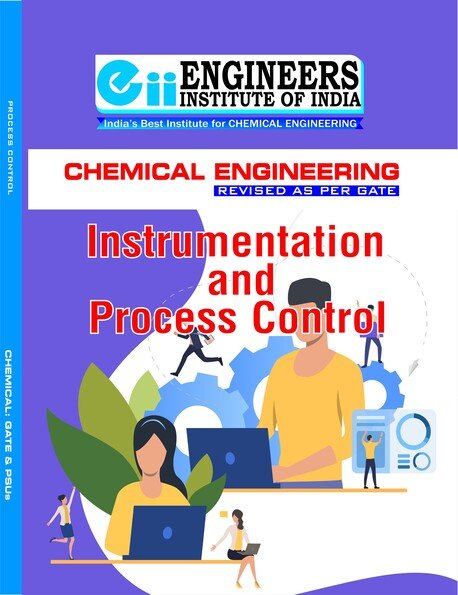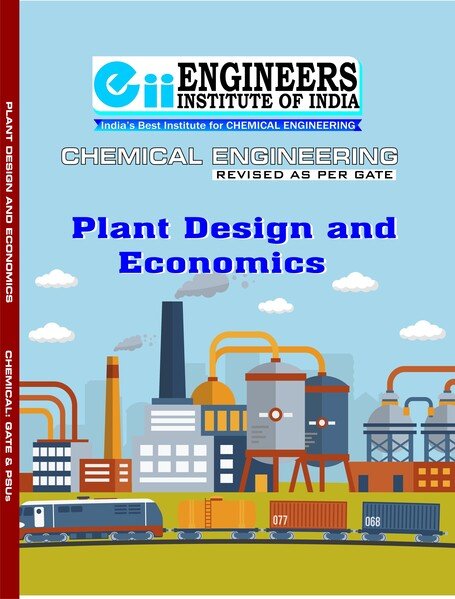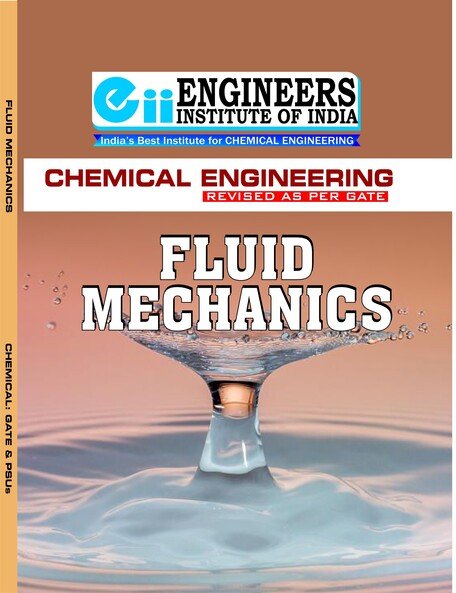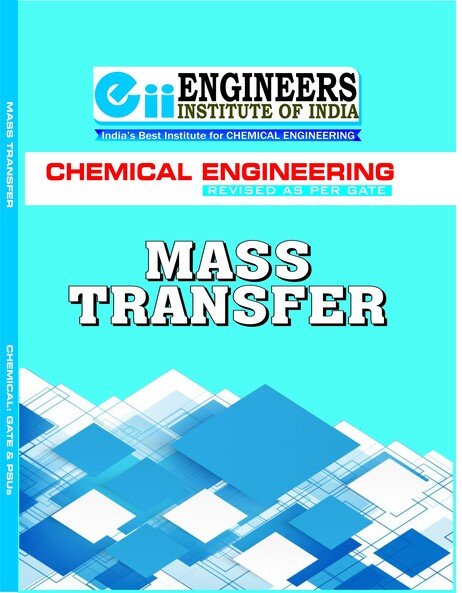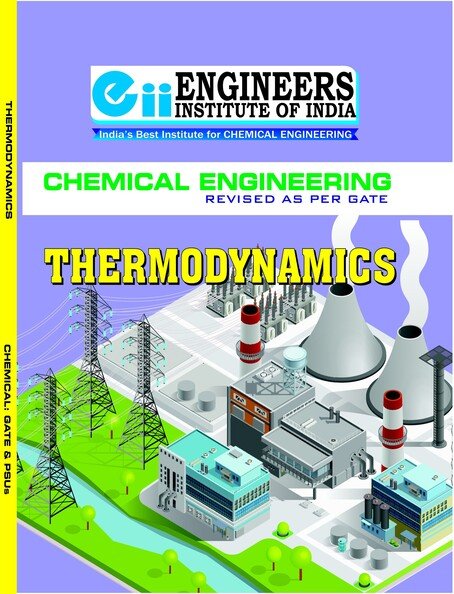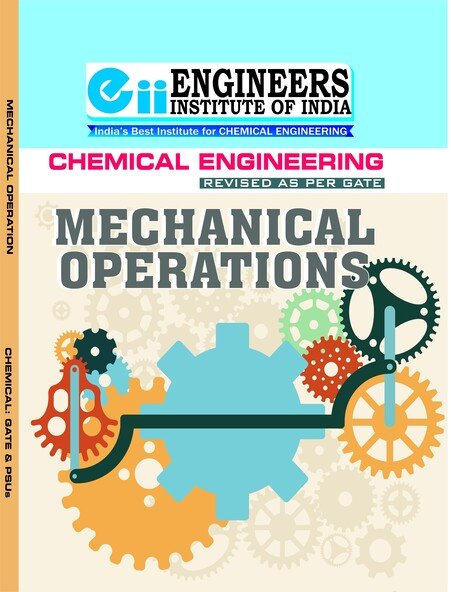
📦 Postal Study Materials (DLP)
Receive comprehensive distance learning study materials covering complete theory, solved examples, and practice questions aligned with the GATE Chemical Engineering syllabus.
₹10,500 10% OFF → Pay ₹9,450
🚀 Enroll Now- Study materials designed for easy reading and better understanding of core chemical engineering concepts.
- Concepts compiled from multiple standard textbooks frequently referred while setting GATE and PSU examination questions.
- Theories explained in a simple and structured manner so that students can grasp topics quickly during self-study.
- Solved examples included with step-by-step explanation to build problem solving confidence.
- Separate subject-wise printed booklets allowing focused preparation and quick revision of each topic.
- Practice problems based on GATE exam pattern including MCQ, MSQ and NAT type questions.
- Regularly updated contents reflecting the latest trends and difficulty level of recent examinations.
- Well organized study structure helping aspirants prepare efficiently for GATE Chemical Engineering.
Frequently Asked Questions – GATE Chemical Engineering Postal Course
How will the GATE Chemical Engineering postal course help me prepare along with my semester exams?
Most core engineering subjects studied during semesters such as Chemical Reaction Engineering, Mass Transfer, Heat Transfer, Fluid Mechanics, Thermodynamics, and Process Calculations are also included in the GATE Chemical Engineering syllabus. Practicing these topics through structured numerical problems from GATE Chemical postal study materials helps strengthen conceptual clarity and improves performance in both university exams and the GATE examination. The booklet notes are designed to complement semester learning and build strong numerical problem solving ability.
Why should I choose GATE chemical Distance Learning study materials instead of multiple reference textbooks?
Many aspirants struggle to study from multiple reference textbooks because different books explain different topics better. The GATE Chemical Study notes in these postal booklets are compiled from standard reference authors such as Fogler, Treybal, Geankoplis, McCabe Smith Harriott, Incropera, Bird Stewart Lightfoot, and Himmelblau. These GATE Chemical booklet notes combine the best explanations from different sources so students can study efficiently without searching through several books.
What makes these GATE Chemical Study notes easy to understand?
Each booklet follows a structured learning approach. Topics begin with simplified theory followed by solved numerical examples and practice problems. This method gradually develops conceptual understanding and analytical ability which is essential for solving GATE level questions.
Do the GATE Chemical postal study materials include solved examples and practice questions?
Yes. Every subject booklet includes concept based theory along with detailed solved examples and additional practice problems. These problems follow the GATE exam pattern including MCQ, MSQ, and NAT formats to help students practice real exam level questions.
Are these GATE Chemical booklet notes useful for PSU preparation?
Yes. PSU technical exams and interviews also focus on the same core chemical engineering subjects covered in the GATE syllabus. These GATE Chemical Study notes help aspirants strengthen fundamental concepts which are important for both written examinations and technical interviews.
What are the high weightage topics of Chemical Reaction Engineering in GATE?
Important CRE topics include reaction kinetics, rate laws, reactor design equations, conversion calculations, isothermal and non isothermal reactors, CSTR and PFR analysis, multiple reactions, and catalyst behavior. These topics are explained in detail in the GATE Chemical postal study materials with solved numerical problems aligned with recent GATE exam trends.
Which Thermodynamics topics carry high weightage in GATE Chemical Engineering?
Topics such as phase equilibrium, fugacity, activity coefficients, thermodynamic property relations, equations of state, chemical potential, and reaction equilibrium frequently appear in GATE examinations. These topics are systematically covered in the GATE Chemical booklet notes with simplified explanations and exam oriented numerical examples.
Which Heat Transfer topics are most important for GATE preparation?
High weightage heat transfer topics include conduction through walls, fins, radiation, heat exchanger analysis using LMTD and NTU methods, transient conduction, and phase change heat transfer. The GATE Chemical Study notes provide formula derivations and solved problems to strengthen problem solving skills.
What Mass Transfer topics are frequently asked in the GATE exam?
Important mass transfer topics include diffusion, mass transfer coefficients, interphase mass transfer, absorption, stripping, distillation fundamentals, and HTU NTU calculations. These topics are clearly explained in the GATE Chemical postal study materials with step by step numerical solutions.
Which Fluid Mechanics and Mechanical Operations topics are important for GATE?
Important topics include fluid statics, Bernoulli equation, laminar and turbulent flow, friction factor, dimensional analysis, pumps and compressors, particle settling, filtration, and size reduction. These topics are explained in the GATE Chemical booklet notes with conceptual explanations and practical numerical problems.
Are these booklets useful for students who start GATE preparation late?
Yes. Because the GATE Chemical Study notes focus mainly on important concepts and exam oriented numerical problems, they are very helpful for students who begin preparation in the last few months. Many aspirants have reported that questions similar to the practice problems appeared in recent GATE examinations.
How can these GATE Chemical postal study materials accelerate preparation?
The booklet notes provide organized theory, solved examples, and practice problems in one place. This structured learning approach saves time and helps students build strong fundamentals quickly without depending on multiple textbooks.
High Weightage GATE Chemical Engineering Topics – Frequently Asked Questions
What are the high weightage topics of Chemical Reaction Engineering in GATE Chemical Engineering?
Important topics include rate laws, order of reactions, reactor design equations, conversion calculations, isothermal and non-isothermal reactors, CSTR and PFR analysis, multiple reactions, and catalyst deactivation. These topics are frequently asked in GATE examinations through conceptual and numerical questions. All these concepts are explained clearly in the postal study material booklets with solved problems and practice questions aligned with the GATE exam pattern. For deeper practice and discussion, students may also refer to live or recorded lectures.
What are the high weightage topics of Engineering Thermodynamics in GATE?
Key thermodynamics topics include phase equilibrium, fugacity and activity, thermodynamic property relations, chemical potential, equations of state, partial molar properties, and reaction equilibrium. These areas often contribute significant marks in the GATE Chemical Engineering exam. The booklet explains these concepts in a simplified manner with step-wise solved numerical problems that help students develop strong analytical understanding.
Which Heat Transfer topics carry high weightage in GATE Chemical Engineering?
Conduction through plane and cylindrical walls, heat exchangers, LMTD and NTU methods, fins, radiation heat transfer, transient conduction, and boiling and condensation are among the most frequently tested topics. The postal course booklets cover these topics with clear theory, formula derivations, and exam oriented numerical examples to help students solve problems efficiently.
Which Mass Transfer Operation topics are most important for GATE preparation?
Mass transfer coefficient, diffusion theories, interphase mass transfer, HTU and NTU concepts, absorption and stripping calculations, distillation fundamentals, and stagewise operations are commonly asked in GATE examinations. These concepts are systematically explained in the study booklets with solved examples and practice problems reflecting the latest exam trend.
What are the high weightage topics in Fluid Mechanics and Mechanical Operations?
Fluid statics, Bernoulli equation, laminar and turbulent flow, friction factor calculations, dimensional analysis, flow measurement, pumps and compressors, particle settling, filtration, and size reduction are among the most important topics. The postal course material explains these topics with numerical examples and conceptual discussions that help students strengthen their fundamentals.
Which Process Calculation topics are frequently asked in GATE?
Material balance, energy balance, recycle and purge calculations, combustion analysis, humidity calculations, and process flow diagram based problems are important for GATE preparation. The study booklets present these topics with step-wise calculation methods and solved problems that improve numerical accuracy.
What are the high weightage topics in Engineering Mathematics for GATE Chemical Engineering?
Linear algebra, matrices, differential equations, Laplace transforms, probability and statistics, numerical methods, and vector calculus are commonly asked topics. The booklet includes theory and numerical examples that help students quickly revise mathematical concepts required for solving engineering problems in GATE.
What topics are important in the General Aptitude section of GATE?
General aptitude includes quantitative aptitude, data interpretation, numerical reasoning, and verbal ability questions such as sentence completion and reading comprehension. These questions test analytical thinking and contribute a fixed portion of marks in the GATE exam. The preparation approach discussed in the study material also helps students build logical and analytical problem solving skills.
Are these booklets useful for students starting GATE preparation late?
Yes. In many recent GATE examinations, aspirants have reported that problems similar to the practice questions in these booklets appeared in the actual exam. Because the content is focused strictly on important concepts and numerical approaches, these booklets often become a helpful resource for students who begin preparation in the last few months.
How are these study materials aligned with the GATE exam pattern?
All topics are organized according to the official GATE Chemical Engineering syllabus and recent examination trends. The booklets include theory, solved examples, and practice questions designed according to MCQ, MSQ, and NAT formats. This structured preparation approach helps students develop both conceptual clarity and problem solving speed.
How can students get additional practice after completing the booklets?
After studying the theory and solved examples from the booklets, students can further strengthen their preparation through advanced practice sessions available in live classes or recorded lectures. These sessions help clarify difficult concepts and provide additional exam level problems.
How can these booklets accelerate GATE preparation?
The study materials are carefully designed to provide focused preparation without the need to search through multiple textbooks. With organized theory, solved problems, and exam oriented practice questions, students can quickly build strong fundamentals and improve their chances of achieving a high score in the GATE Chemical Engineering examination.